

Remote work solves a lot of problems: commute time, flexibility, fewer office distractions. But it creates a few of its own too: less movement, less face time with coworkers, and an easy slide into sitting at a desk for ten hours straight. A good wellness program addresses that directly instead of hoping it works itself out.
The activities that actually work share three things: they don’t require an office, they don’t need a big time commitment, and they give people a reason to move or connect that isn’t just “another Zoom call.” Fitness classes, wellness challenges, mental health support, and simple perks like better desk gear all fit that bar. What doesn’t work is a one-size-fits-all wellness email nobody opens.
How Can Wellness Activities for Remote Employees Help Combat Isolation and Sedentary Habits?
The numbers make the case clearly. Gallup research found that fully remote employees report daily loneliness at nearly double the rate of on-site workers, 25% compared to 16%. On top of that, close to a third of remote workers say they feel isolated or disconnected from their team regularly. Physical health takes a hit too: a 2025 review published in Frontiers in Psychology found a direct link between more sitting and higher rates of depressive symptoms, and remote workers tend to sit for longer uninterrupted stretches than people who commute and move around an office.
Wellness programs work against both problems at once. Movement-based activities counter the sedentary side, and anything that creates a recurring, low-pressure way to connect with coworkers counters the isolation side. Programs that ignore one of these two problems usually see weaker participation, because they’re only solving half of what’s actually going wrong.
Wellness perks for remote employees
Perks that remote employees actually use tend to be tangible, not just a link to an app they’ll forget about in a week.
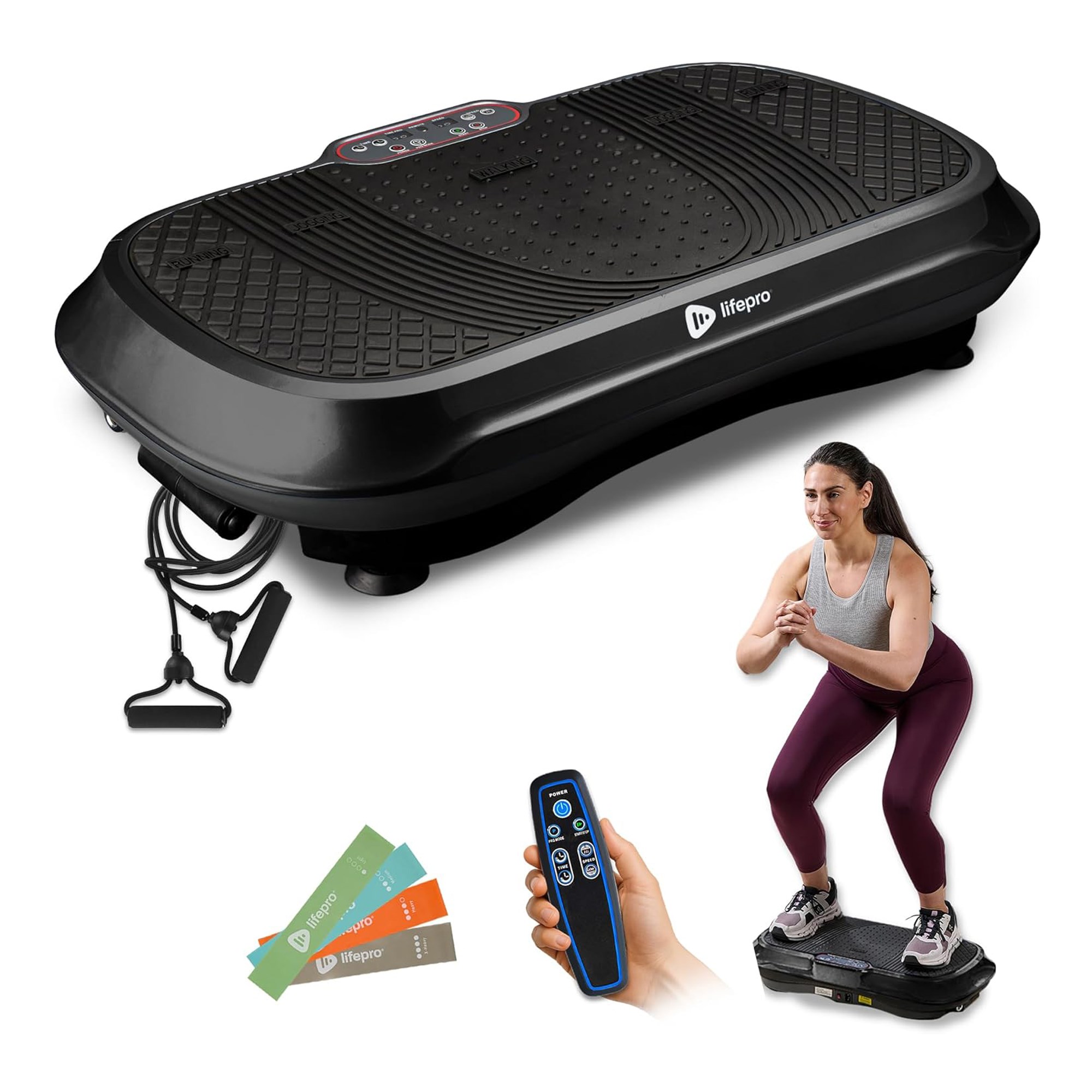
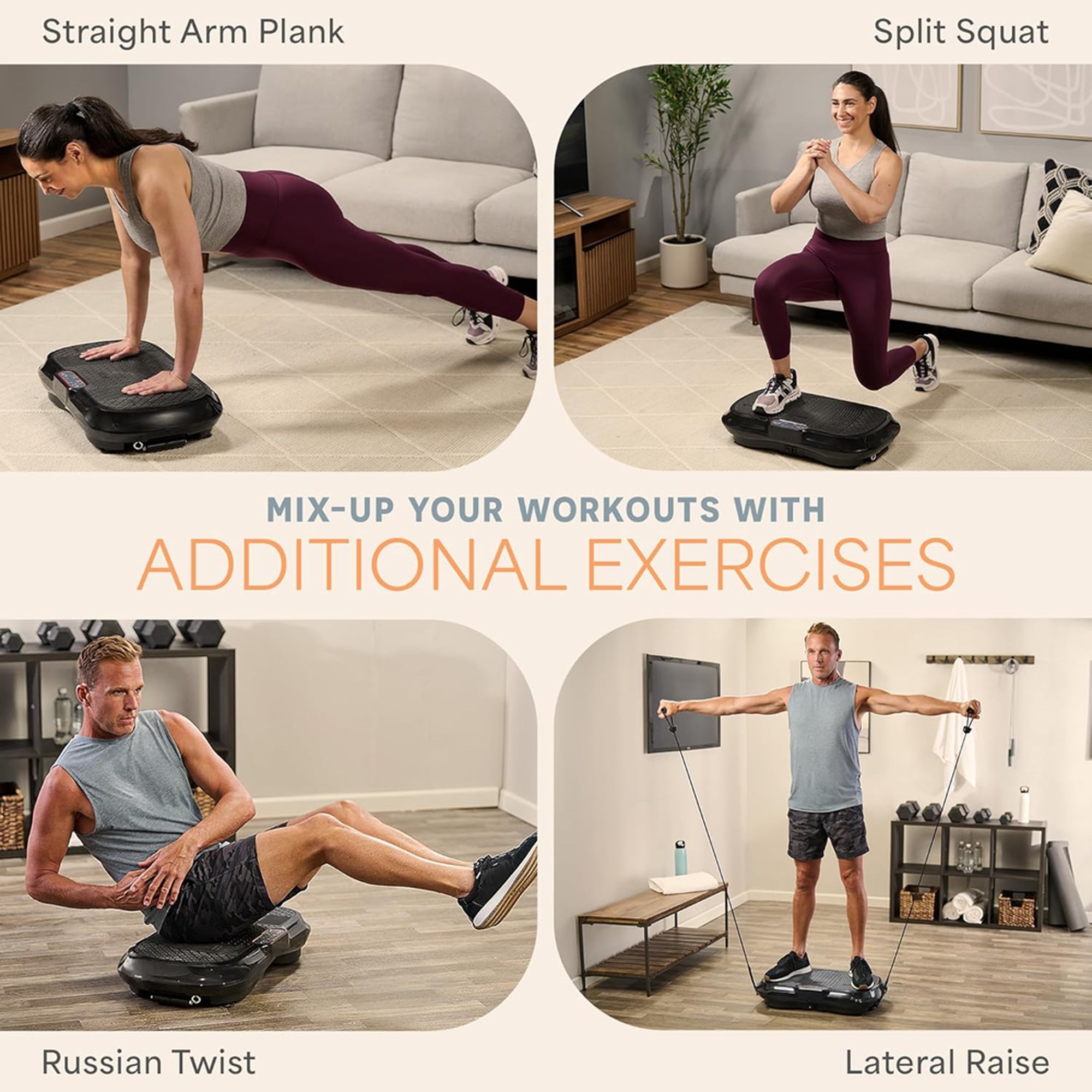
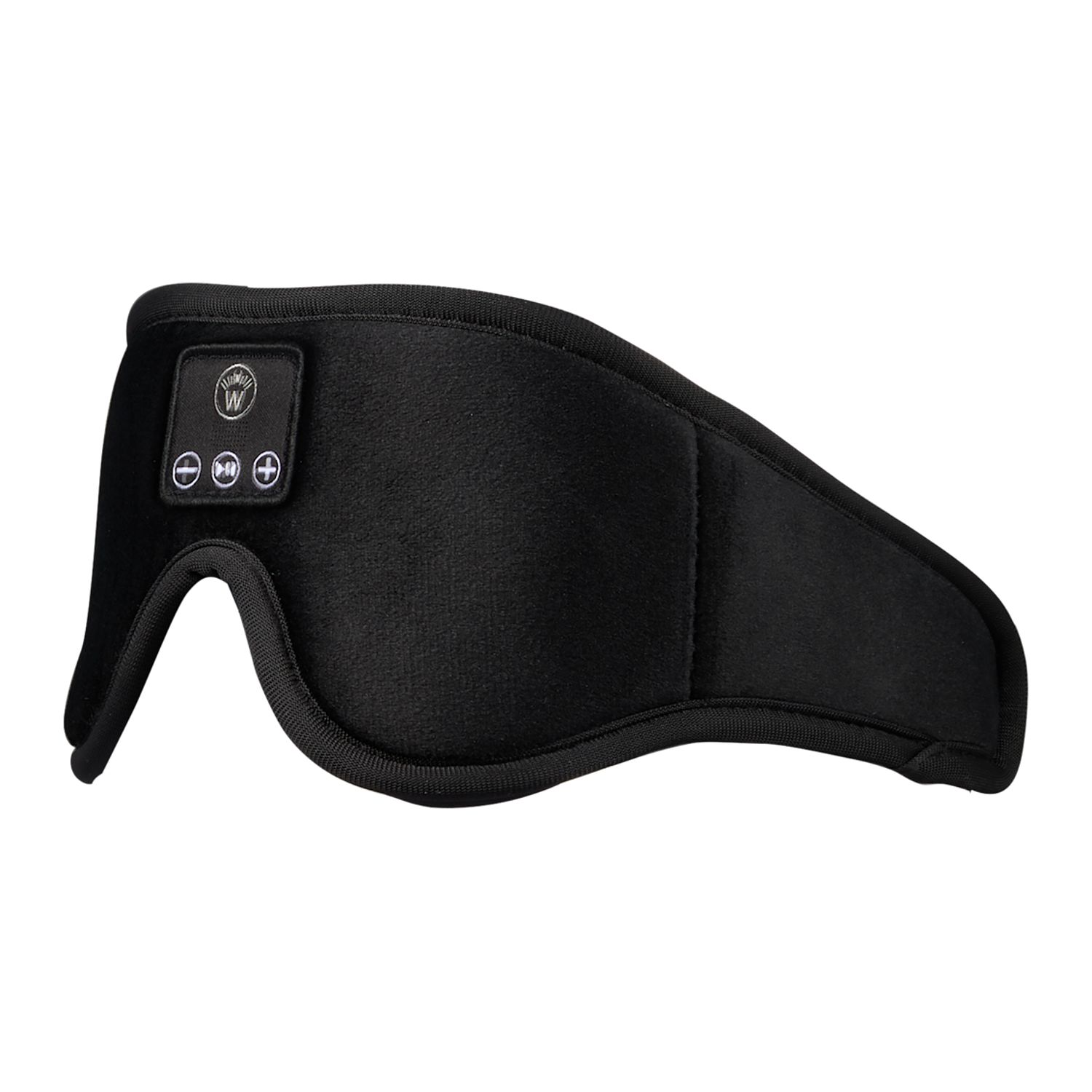
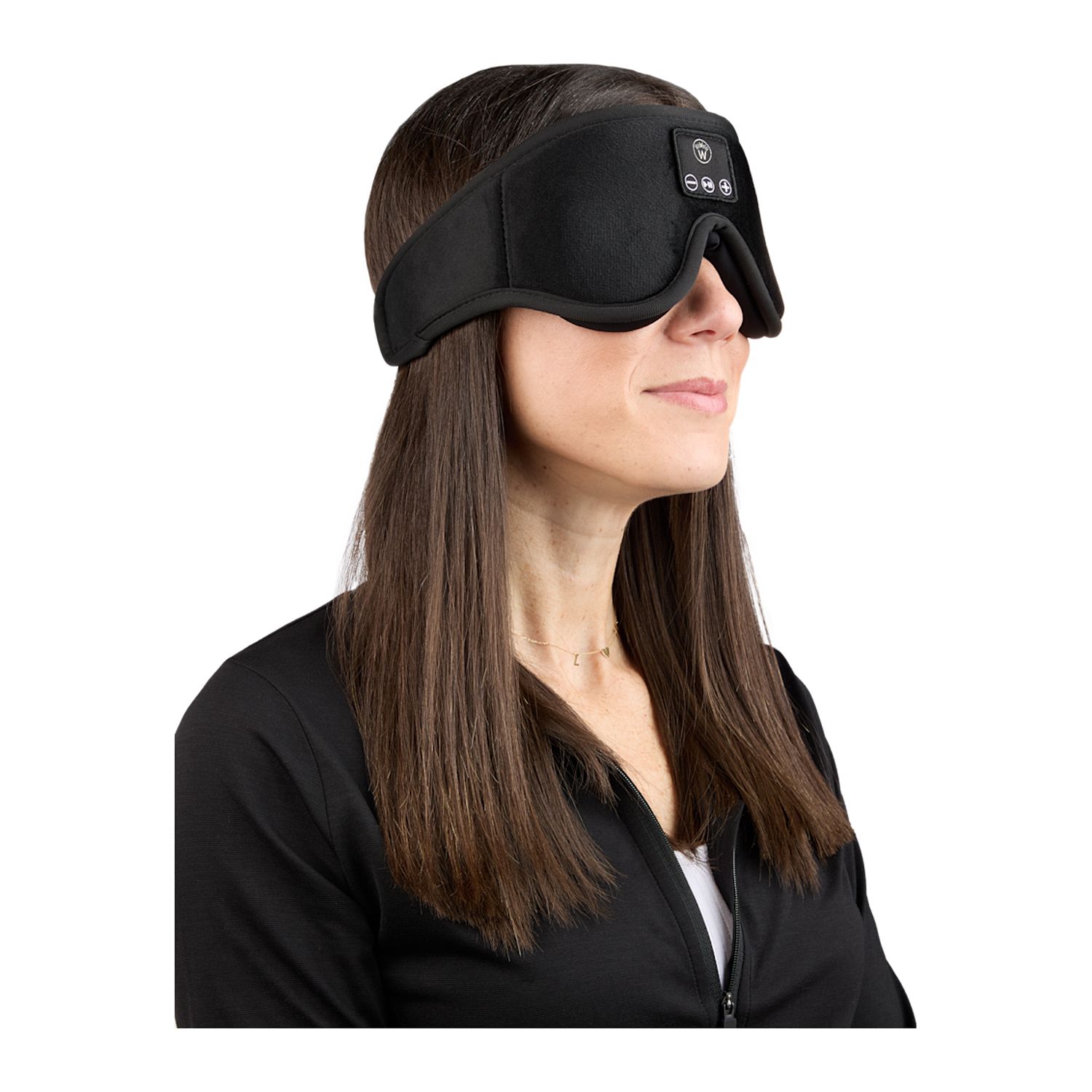

- A holistic wellness kit combining a stress ball, hand cream, and a calming tea or supplement
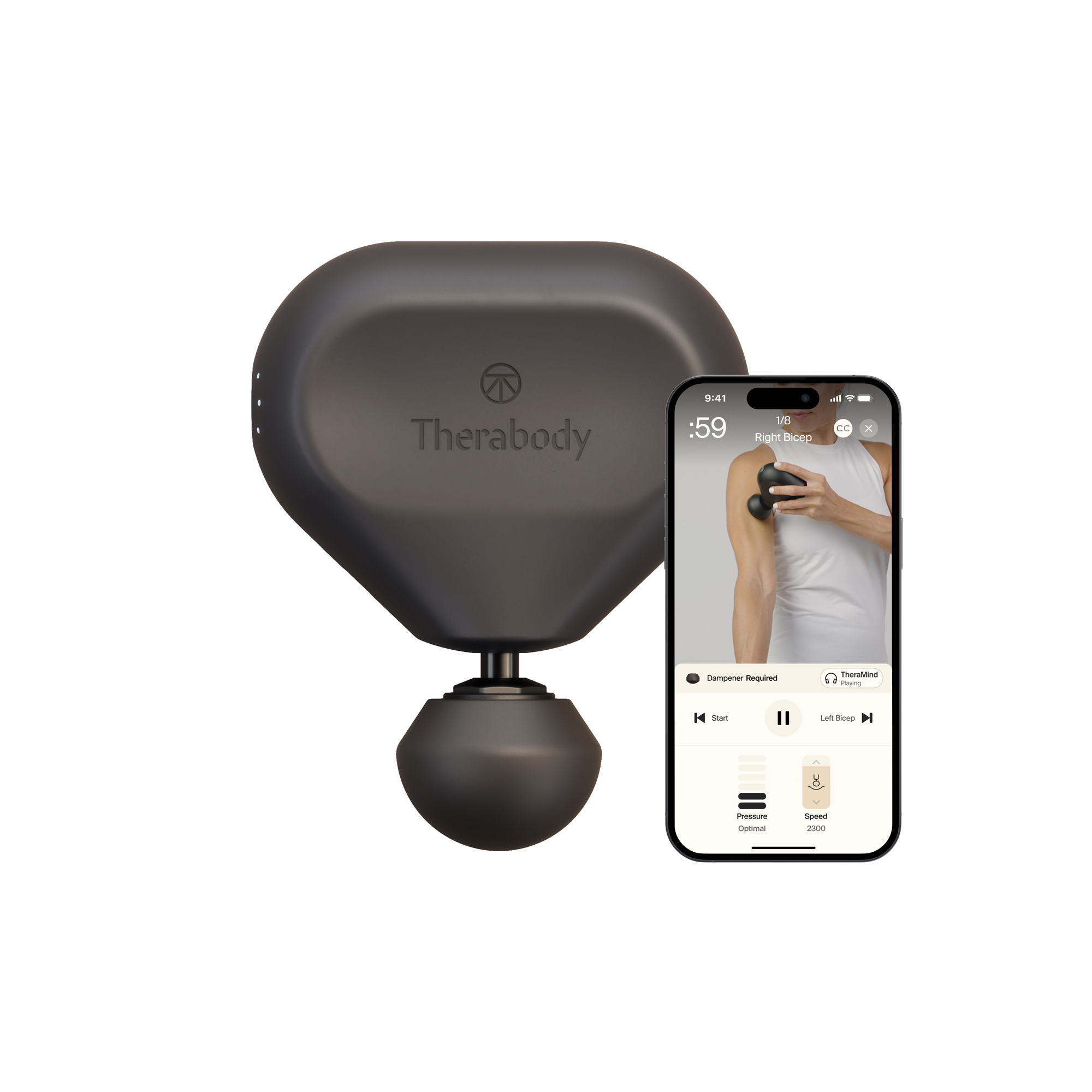
- Massagers for desk-related shoulder and neck tension
- A work-from-home kit that bundles a few of these essentials into one shipped box, easier for HR to manage than sourcing items one by one

Wellness Activities for Remote and Hybrid Employees
A mix of physical, mental, and social activities covers more ground than any single program on its own.
- Themed wellness weeks tied to a specific goal (hydration week, sleep week, step-count week)
- Weekly virtual stretch or movement breaks scheduled directly on the team calendar
- Optional peer check-ins, structured but short, aimed at the isolation side of remote work specifically
Fitness Classes
Fitness classes give remote employees a scheduled reason to move, which matters more than the workout itself for people who’d otherwise sit all day.
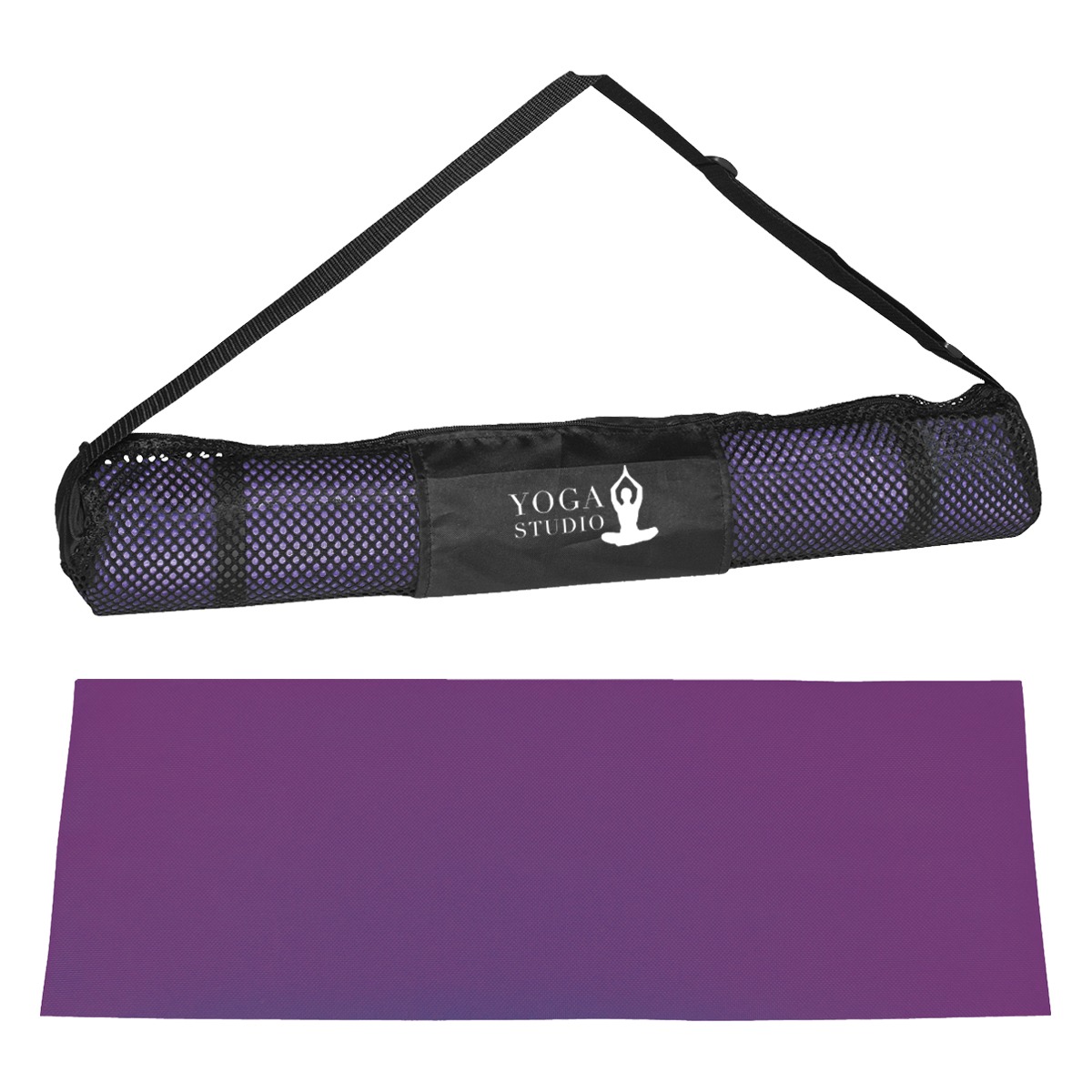
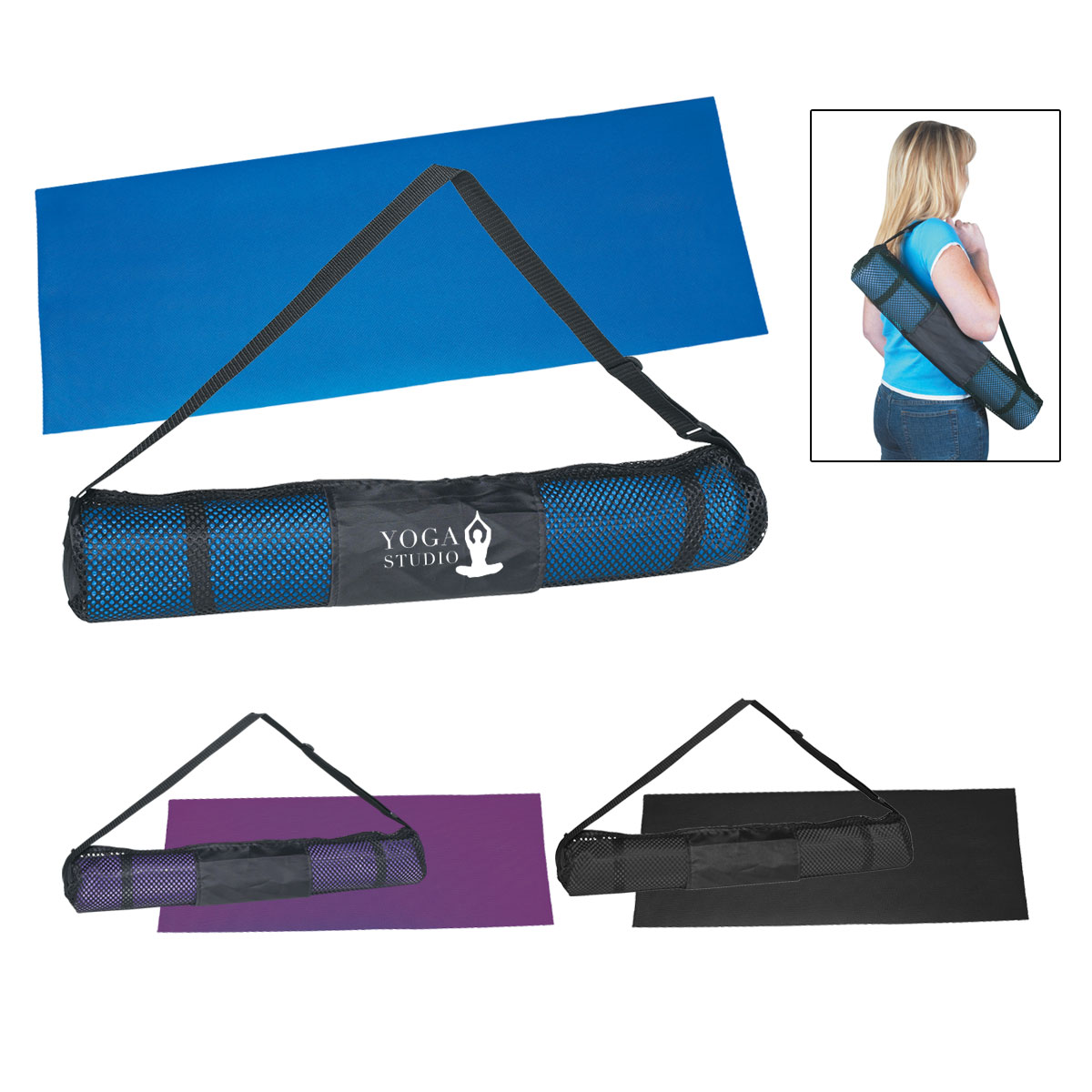

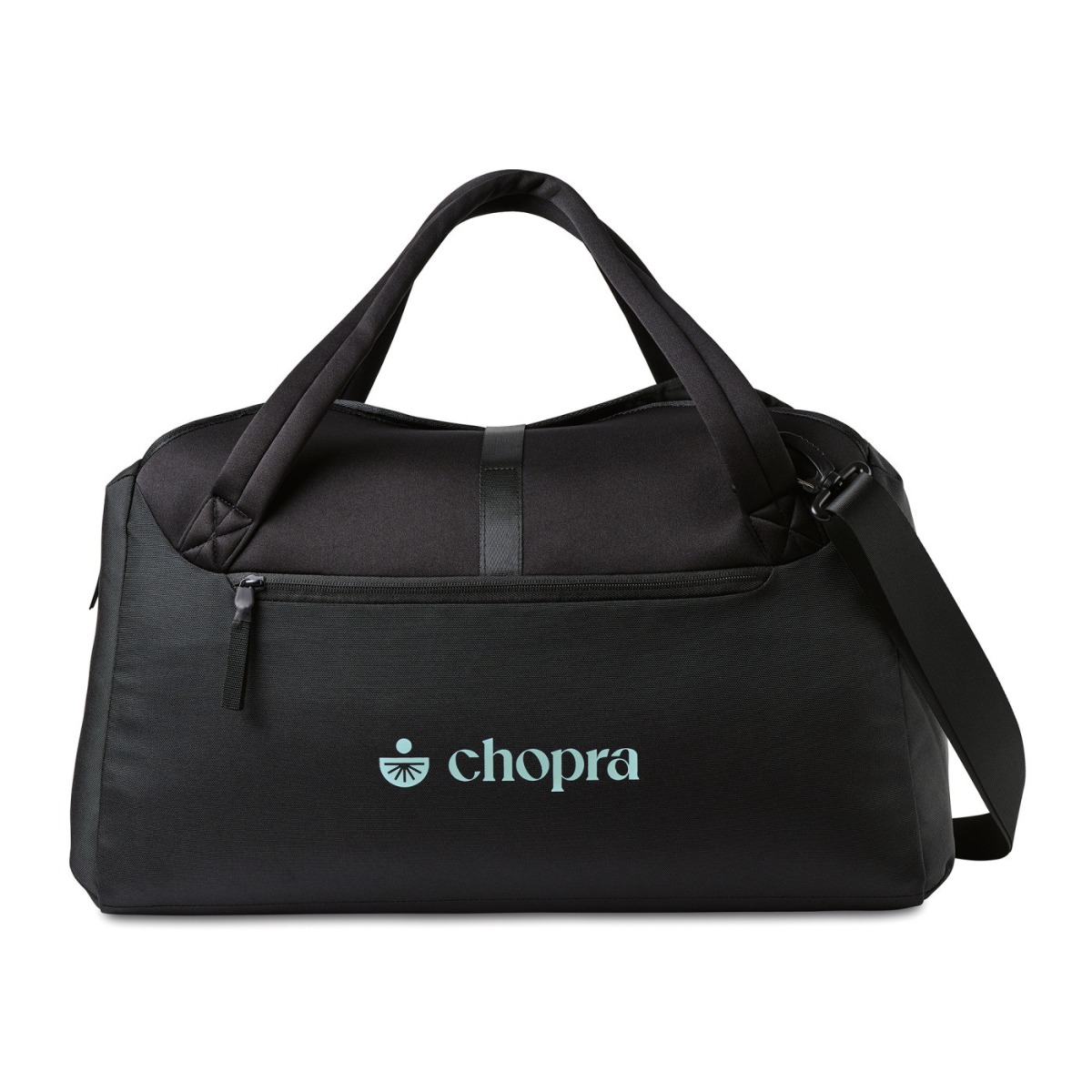
- Virtual yoga or stretching sessions, supported with basic yoga and fitness mats sent to each participant
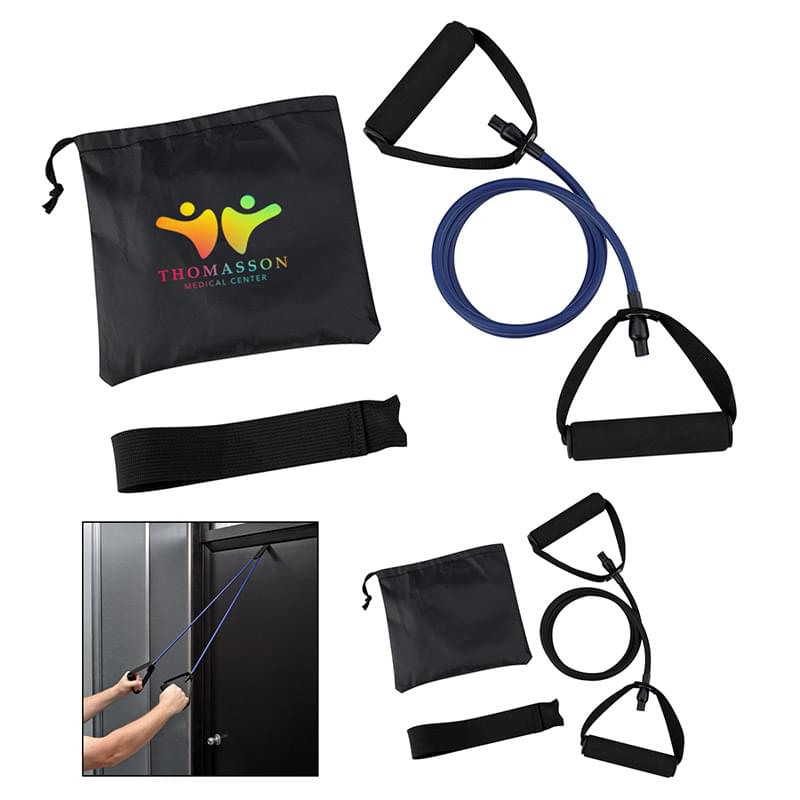
- Exercise equipment like resistance bands for a low-cost, low-space home workout option
- For teams near water, a summer swim challenge works well too, beach towels and basic beach and pool gear from iPromo’s beach activities collection make a fitting kit for it, since dedicated swim equipment like goggles isn’t something iPromo currently stocks
Healthy Meal and Snack Subscriptions
Food perks are easy to set up and don’t require employees to change their schedule to use them.
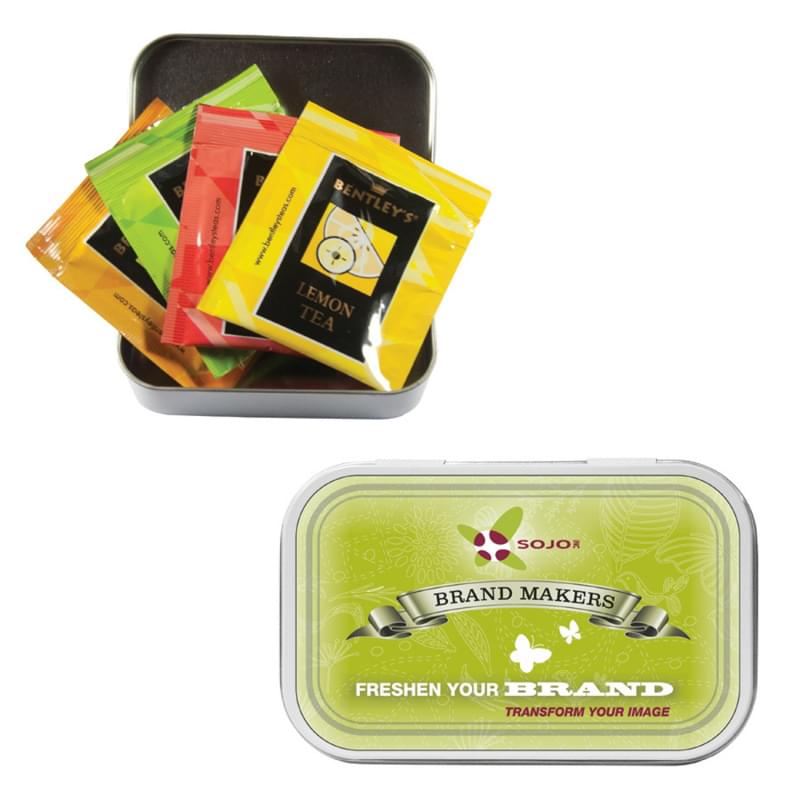
- A recurring coffee, tea, or hot chocolate shipment for the home office
- Trail mix and energy bars as a healthier snack option than what’s usually in a pantry by 3 p.m.
- A quarterly snack box budget employees can put toward their own grocery order



Mental Health Support Services

Mental health support needs to be genuinely accessible, not just listed once in an onboarding packet.
- Access to a therapy or counseling platform, ideally with no cost barrier for the employee
- Guided meditation or stress-relief app subscriptions, which nearly half of companies now offer according to recent workplace wellness research
- A clear, repeated reminder of how to actually use the benefit, since awareness is often the real barrier, not availability
Ergonomic Workspace Assessments
A bad home setup causes physical strain that shows up as fatigue and lower focus, not just back pain.
- A short virtual assessment where an employee shares a photo of their setup for basic feedback
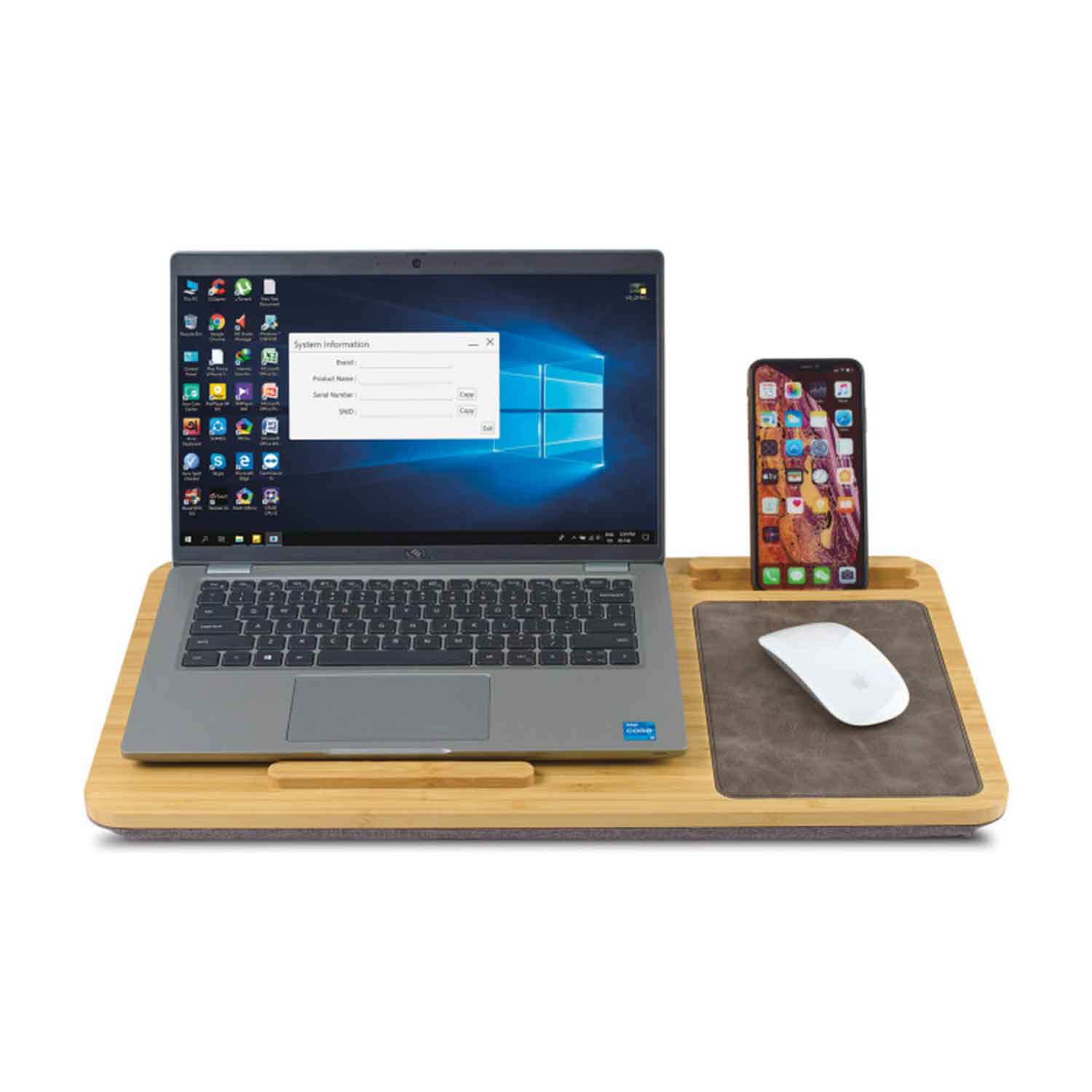
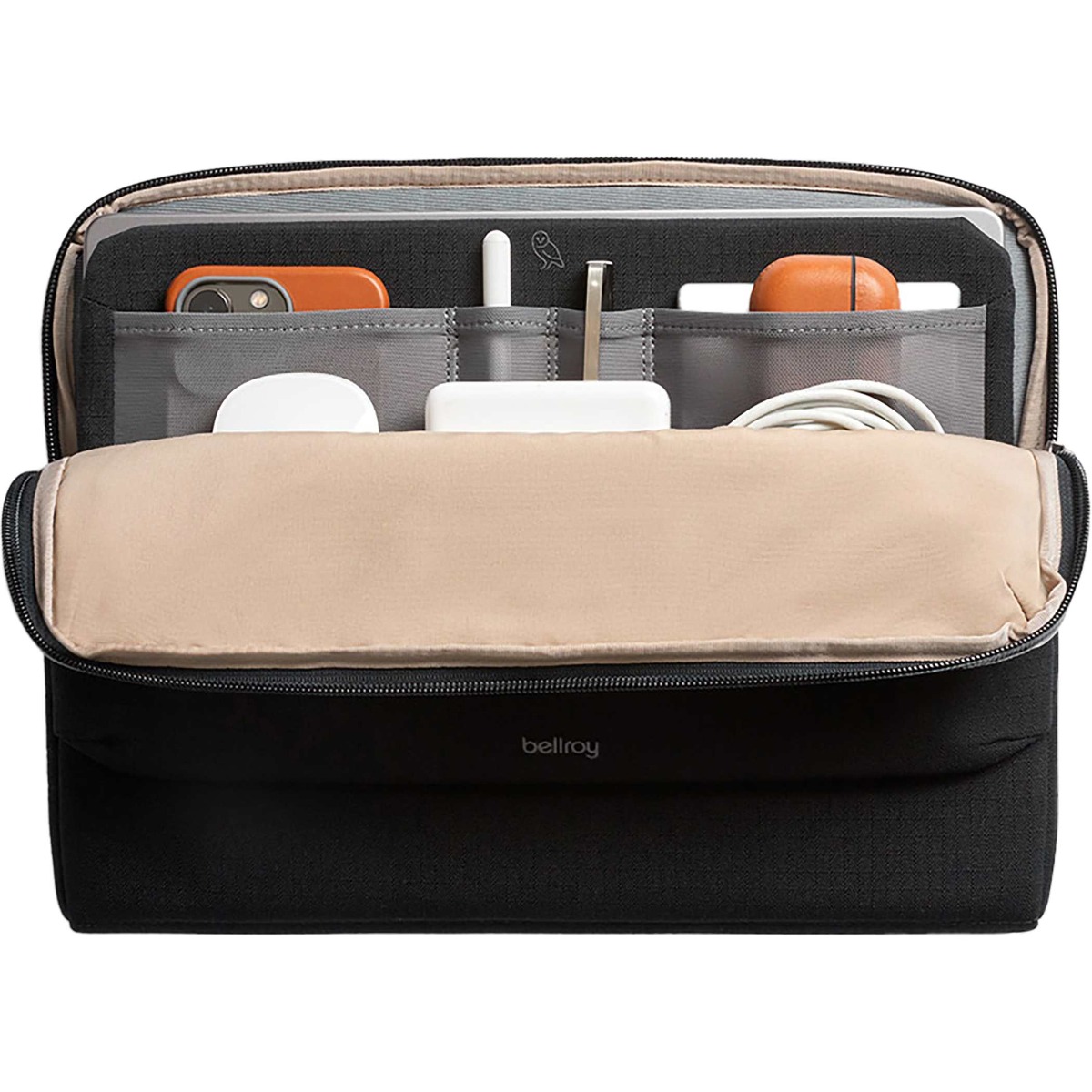
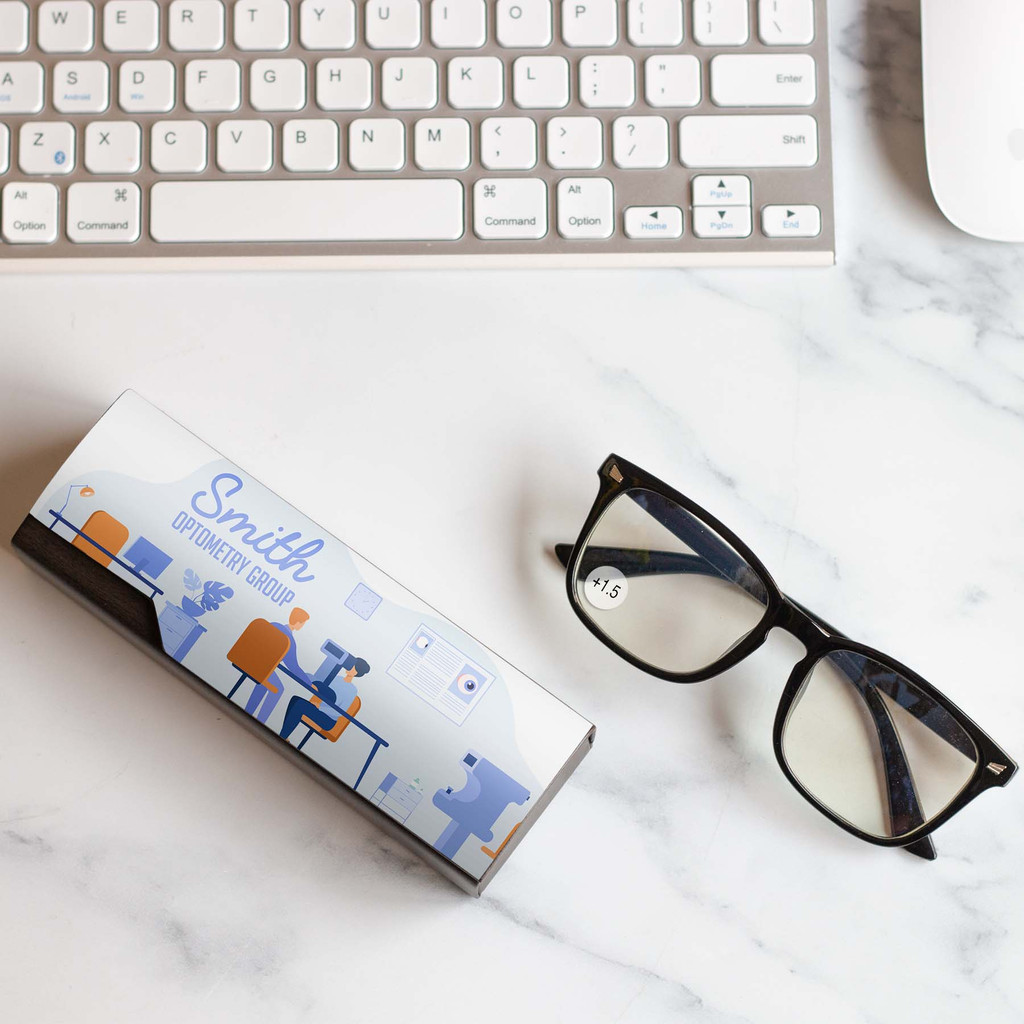
- Laptop and tablet sleeves and blue light glasses as low-cost fixes
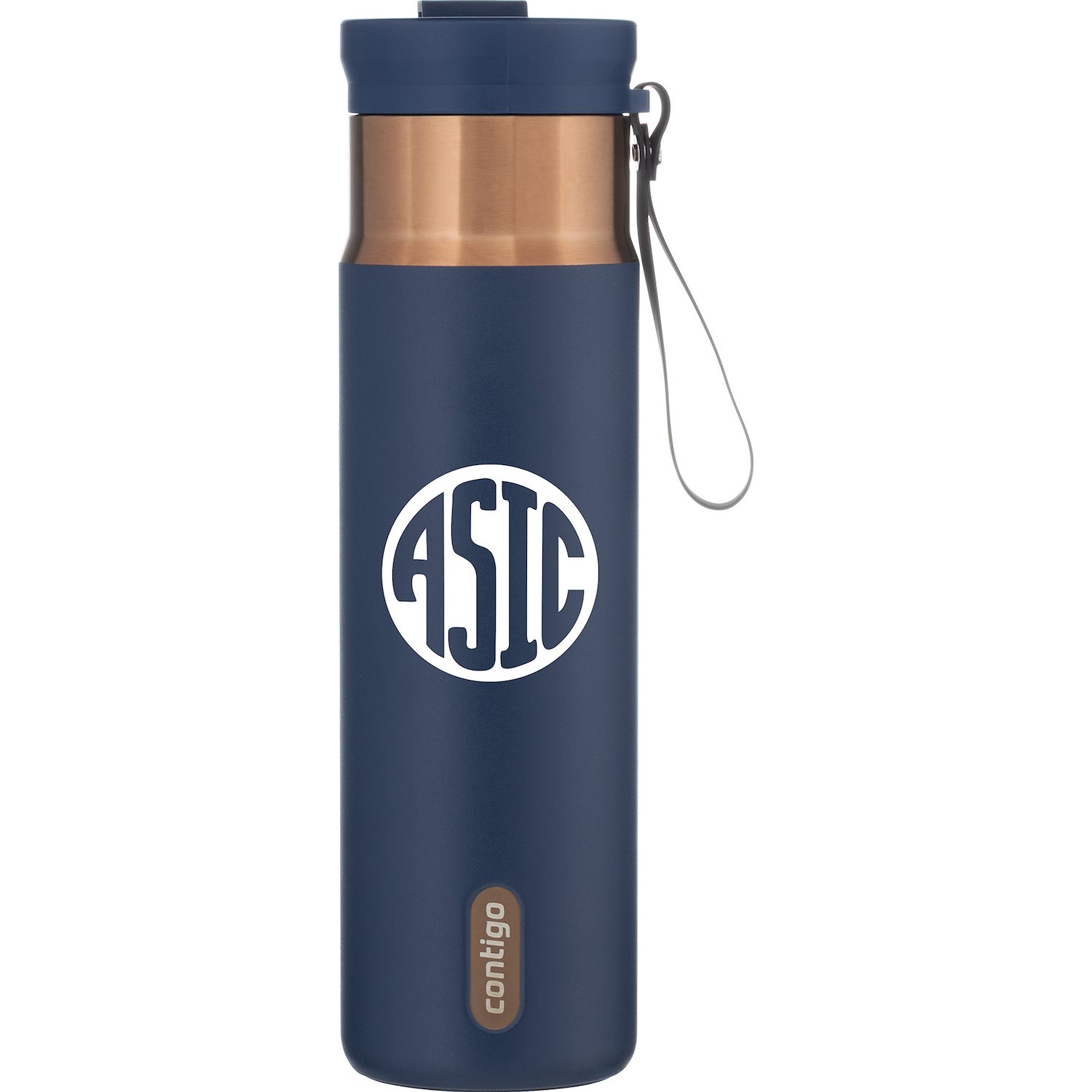
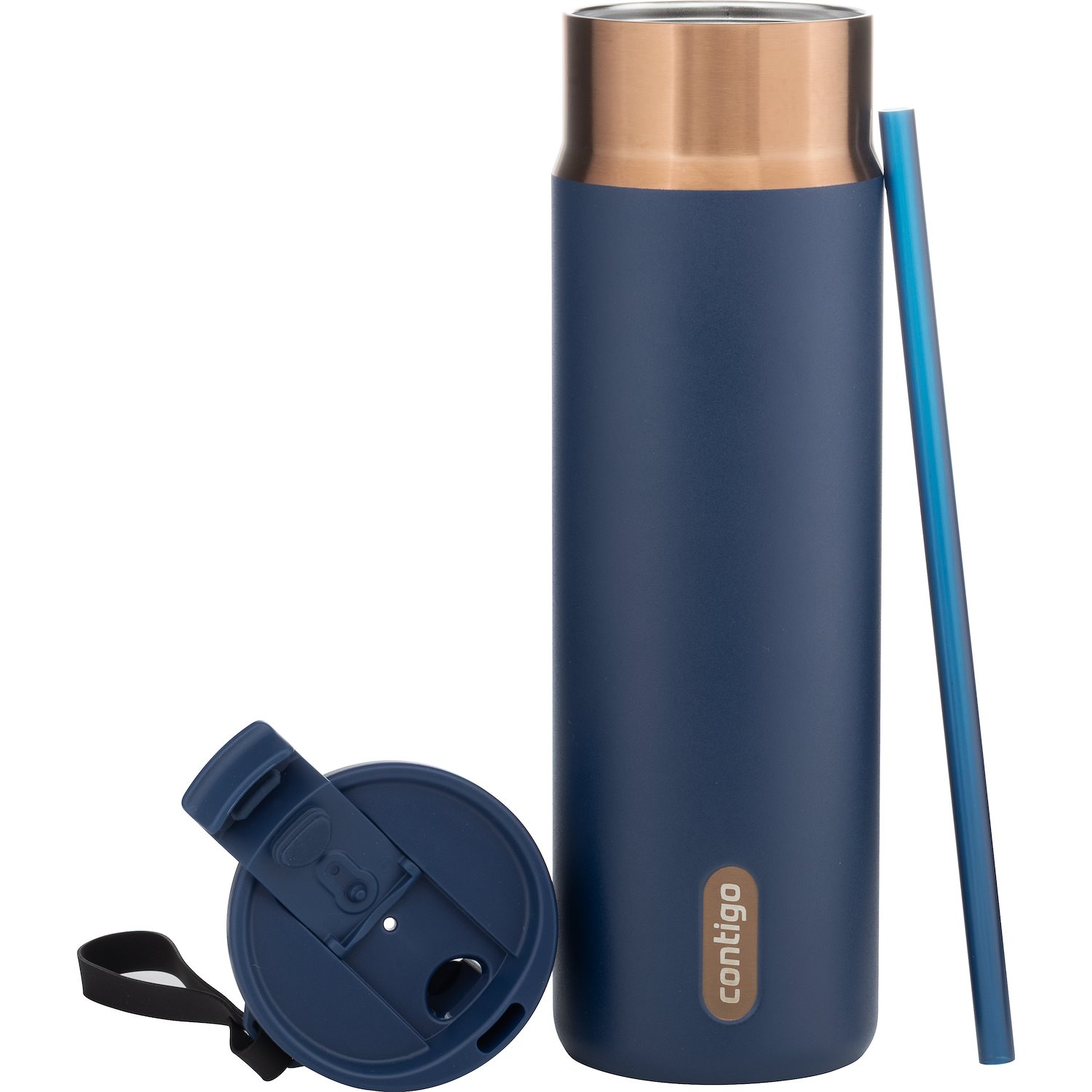
- Office hydration equipment like an insulated water bottle at the desk, since proper hydration directly supports focus and energy through a long remote workday

Flexible Scheduling Options
Flexibility is consistently one of the most-requested remote work benefits, and it costs nothing to implement well.
- Core hours instead of a fixed 9-to-5, so employees can build in a midday workout or walk
- No-meeting blocks protected on the calendar for deep work or a break
- Manager training on what “flexible” actually means in practice, since policy without buy-in from managers rarely sticks
Wellness Challenges and Incentives
Friendly competition drives participation in a way that passive perks don’t.
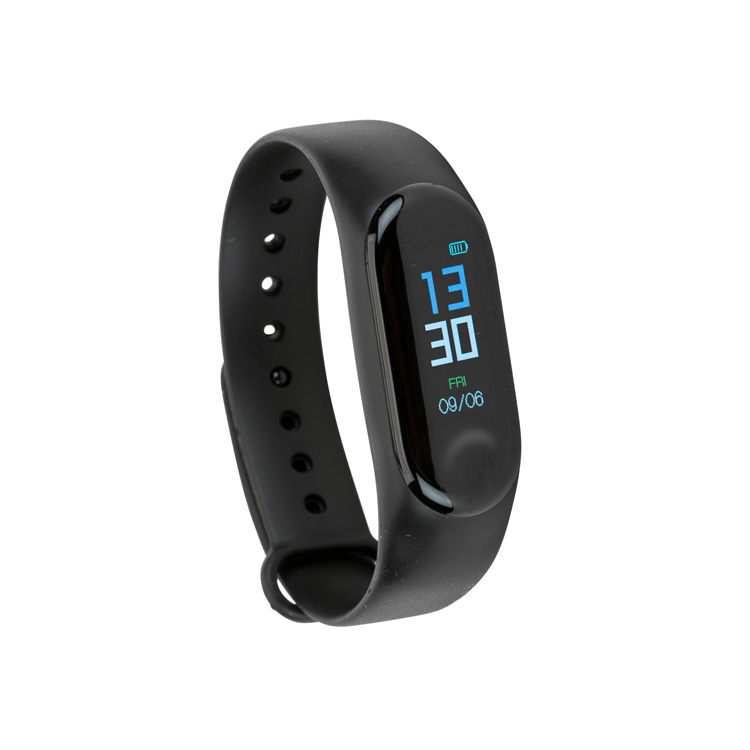
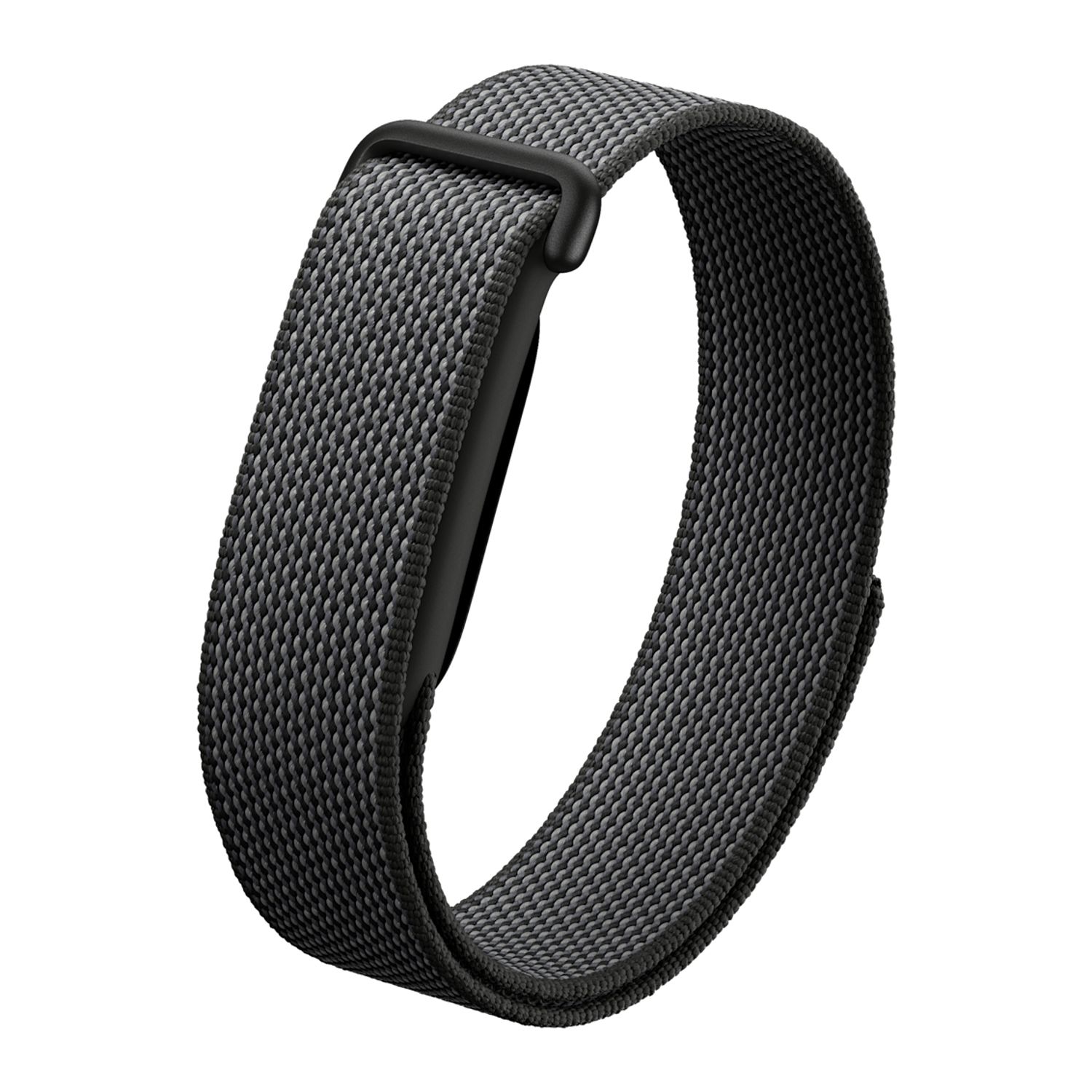
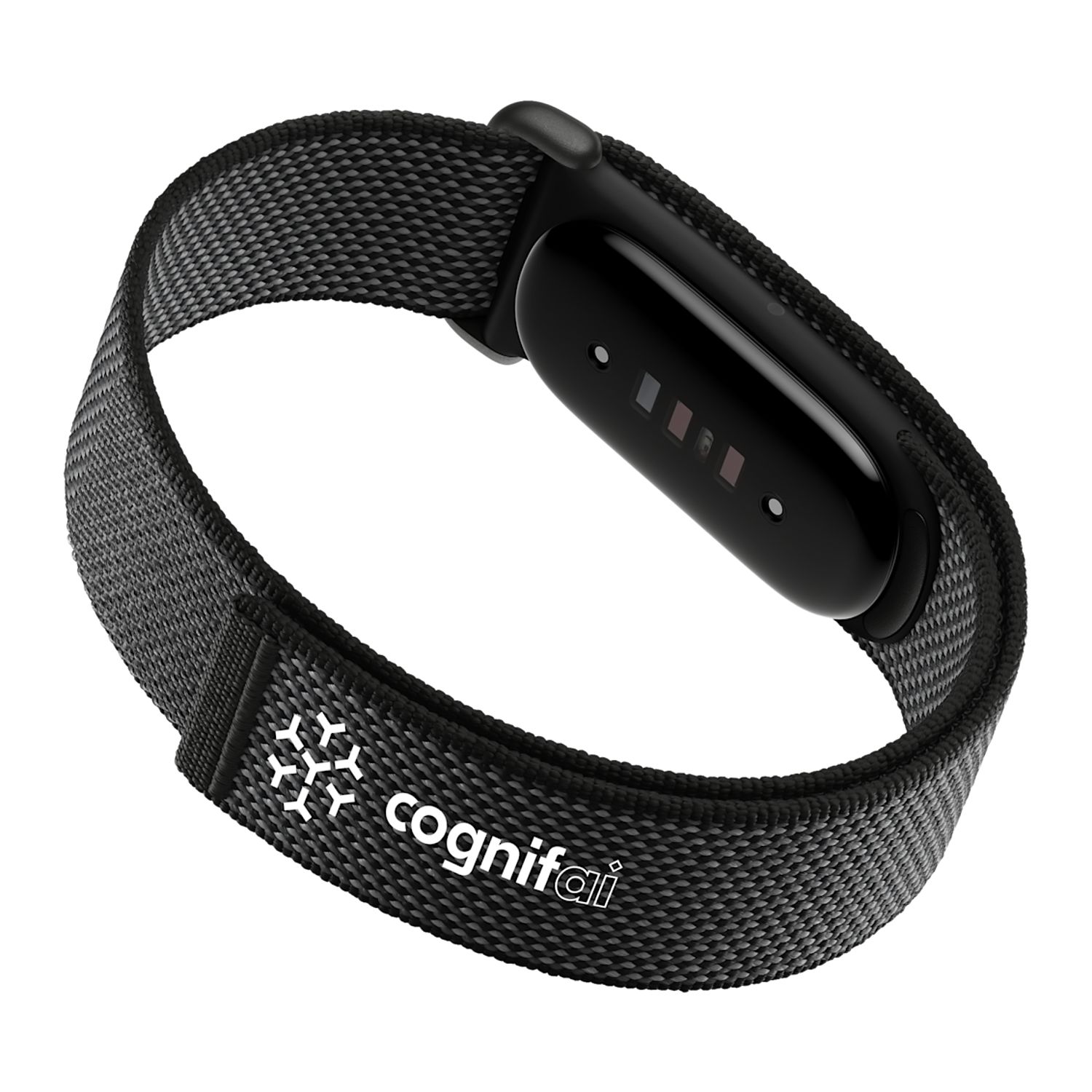
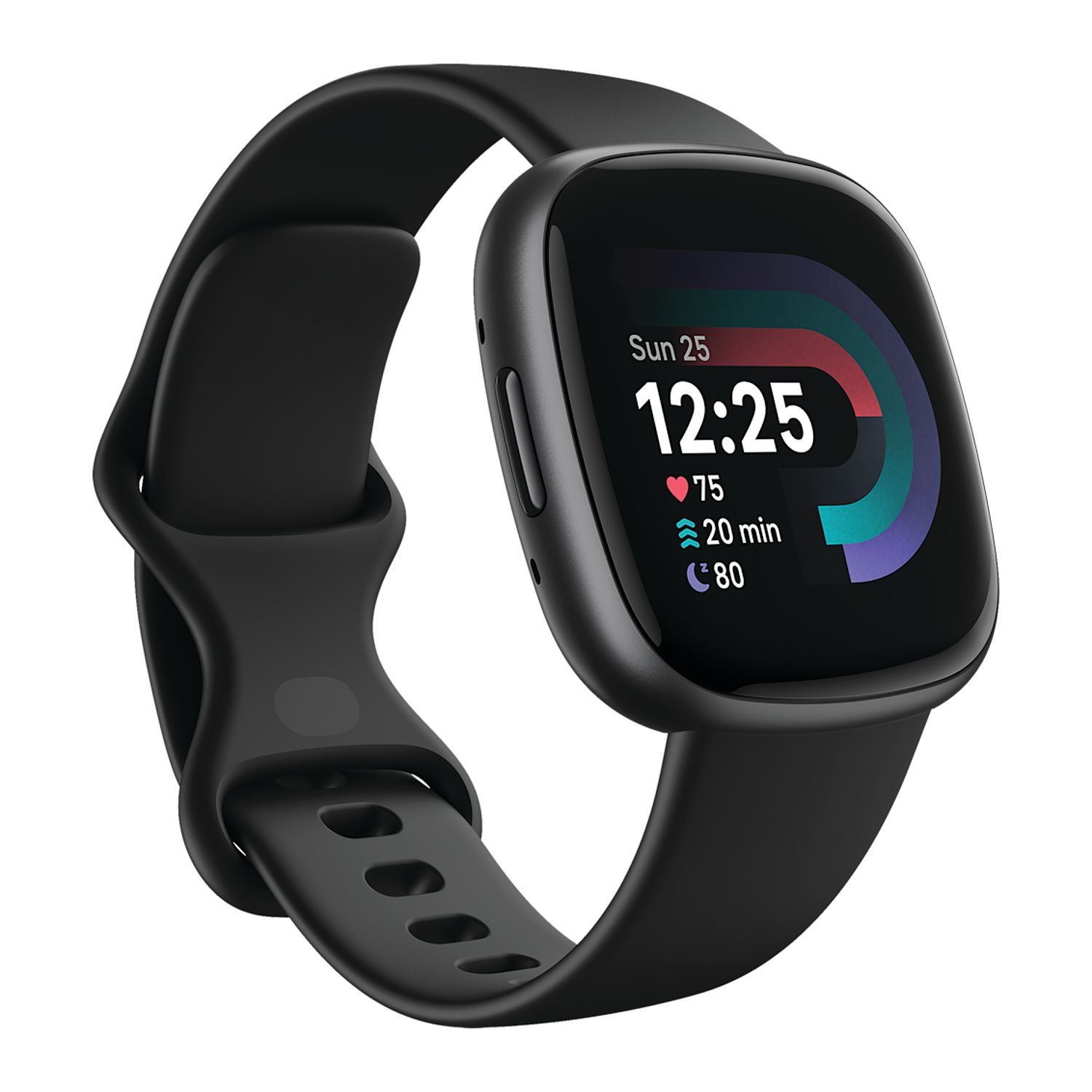
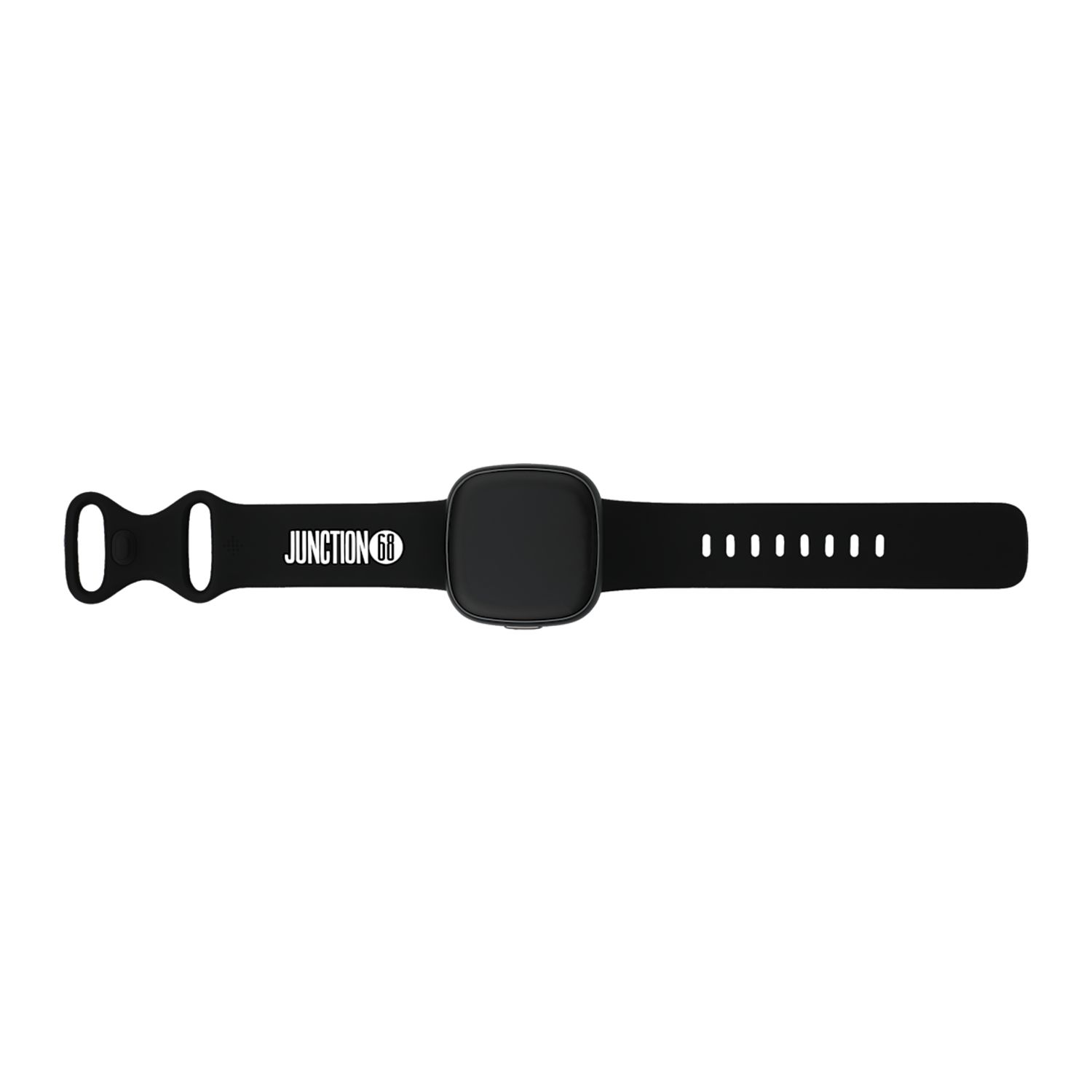
- A step-count or activity challenge tracked with wearable health trackers; request a quote to outfit the whole team with a branded option
- Small prizes for participation, not just winning, so people who are less competitive still show up
- Monthly themes to keep the challenge from going stale by month three

Professional Development and Learning Opportunities
Growth is part of wellness too, stagnation is its own kind of stress.
- A stipend for courses or certifications relevant to the employee’s role
- Branded notebooks and planners for employees taking notes during learning sessions
- Internal mentorship programs that also double as a way to build connection across a distributed team
Digital Detox Days
Constant availability is one of the biggest drivers of remote work burnout, and a scheduled break from it needs to be explicit, not just implied.
- A company-wide no-Slack, no-email day once a quarter
- A cozy throw blanket or a candle sent ahead of the day, small nudge toward actually unplugging instead of catching up on other work
- Clear communication in advance so no one comes back to a backlog that makes the detox not worth it
Health and Wellness Fairs
Fairs translate well to remote teams as long as they’re built for a screen instead of a hallway of booths.
- A virtual event with short sessions on nutrition, sleep, and stress management
- Vendor demos for things like wellness and nutrition products or spa items, shipped ahead so people can try them live during the session
- A recorded version posted afterward for people in different time zones
Volunteering Opportunities
Giving back is a wellness activity in its own right, and it also builds the connection that remote work often lacks.
- Paid volunteer time off, usable for any cause the employee chooses
- Team-wide virtual volunteering events (letter-writing campaigns, virtual tutoring, fundraising challenges)
- A small branded apparel item to wear during in-person volunteer days for teams that occasionally meet up
Financial Wellness Programs
Money stress is one of the most common, and most overlooked, wellness issues in a remote workforce.
- Access to a financial planning tool or advisor session
- Workshops on budgeting, saving, or retirement planning
- Gift cards as flexible recognition rewards employees can put toward whatever matters most to them that month
Conlusion
A wellness program for remote employees doesn’t need to cover every idea on this list. Pick two or three that match what your team is actually struggling with- movement, isolation, or burnout, and build from there. iPromo’s wellness retreats collection and remote employee gifts page are good places to source the physical side of these programs without building a kit from scratch.